Technocommunism Technocommunism

Technocommunism

Library

Knowledge is power.

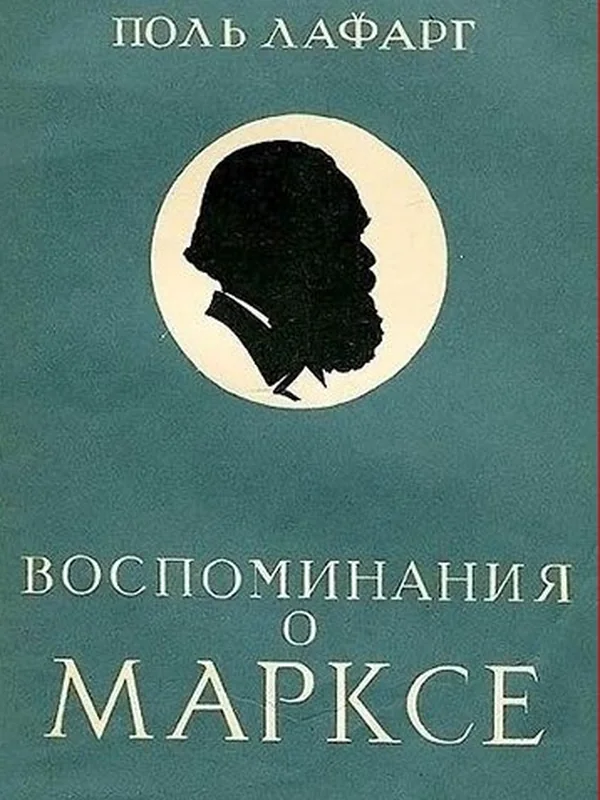
Memories of Marx

Memories of Marx

Paul Lafargue · 1958

Paul Lafargue was a prominent propagandist of Marxism in France, one of the founders of the French Workers' Party, and a significant figure in the international labor movement. For many years, Lafargue met with Marx, knew him personally, and observed his activities as a scholar and revolutionary. Marx's daughter, Laura, was married to Paul Lafargue.

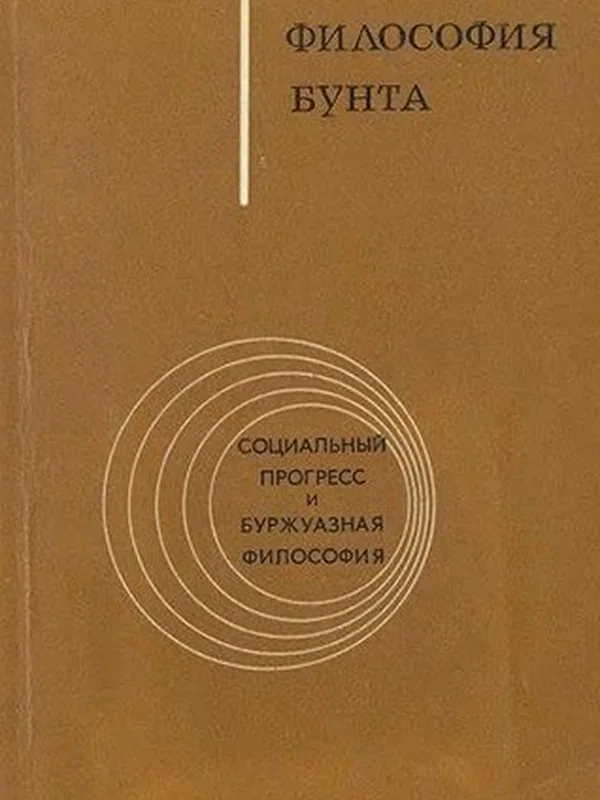
The Philosophy of Rebellion

The Philosophy of Rebellion

E. Ya. Batalov · 1973

Left-radical theories, which gained prominence in connection with the activities of Western student youth and the intelligentsia in the late 1960s and early 1970s, are a significant phenomenon in the ideological life of modern bourgeois society. This book by E. Ya. Batalov, a candidate of philosophical sciences and associate professor at the Institute of Social Sciences, is dedicated to a critical analysis of these theories, represented by figures such as H. Marcuse and T. Adorno. It provides a Marxist assessment of the philosophical and sociological views of the ideologues of the 'New Left' and reveals their socio-political orientation.

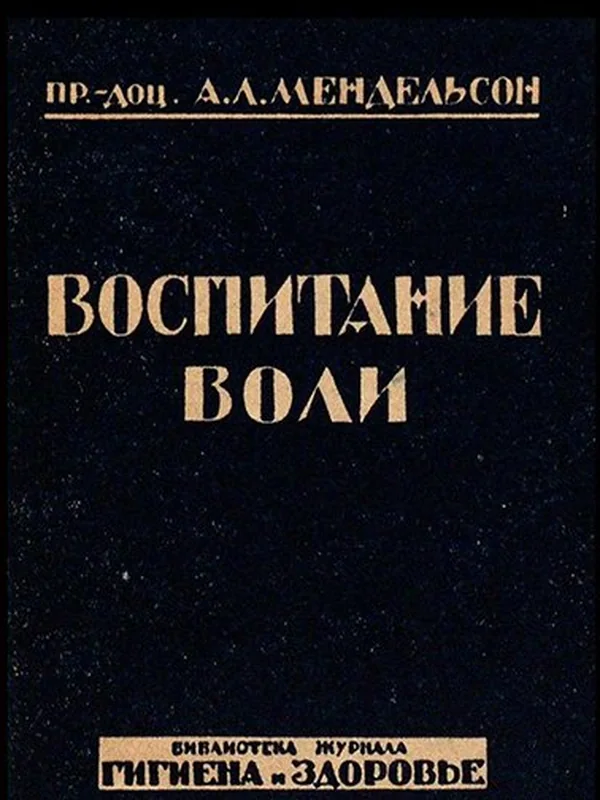
Cultivating the Will

Cultivating the Will

A. L. Mendelssohn · 1931

Will is expressed in overcoming difficulties, and a person can overcome difficulties only if they know for what purpose they are doing so. Therefore, the first and decisive condition for cultivating the will is the formation of a worldview, the development of social feelings, and, on this basis, the cultivation of a sense of duty.

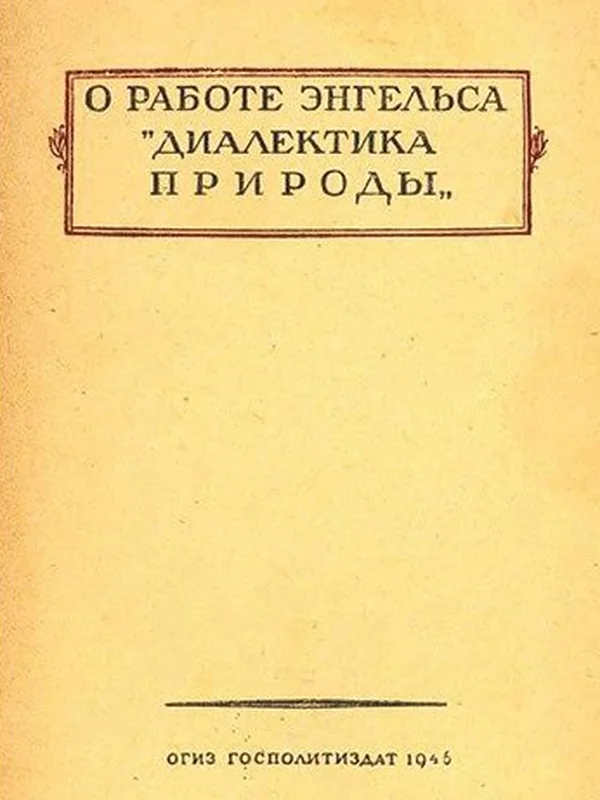
On Engels's 'Dialectics of Nature'

On Engels's 'Dialectics of Nature'

E. Kolman · 1946

As Engels noted, natural scientists must understand that the laws of dialectics are the laws of the objective world. The task of natural scientists is to learn to apply dialectics to the study of nature. In an article about the friend of Marx and Engels, the great chemist, materialist, and dialectician Karl Schorlemmer, Engels wrote: 'Whoever wishes to achieve anything in the field of theoretical, general natural science must regard the phenomena of nature not as immutable quantities, as most researchers do, but as variable, fluid quantities.'

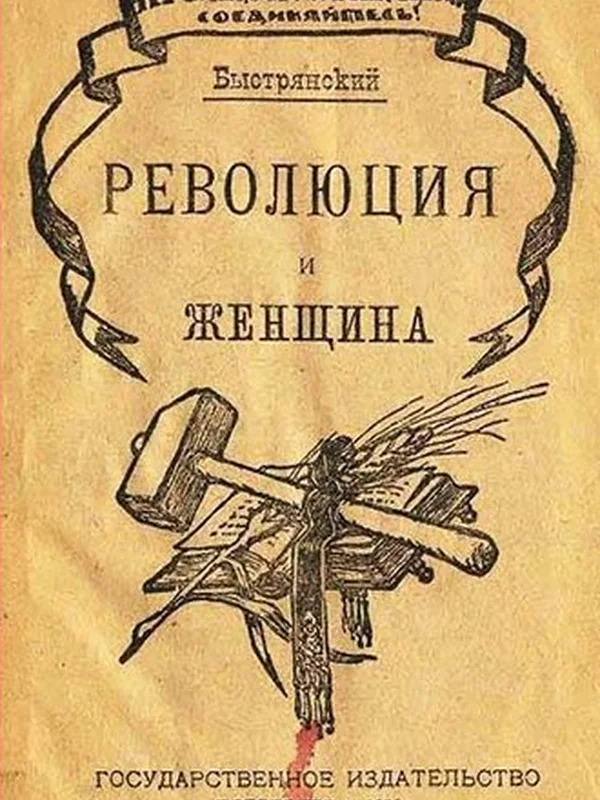
The Revolution and the Woman

The Revolution and the Woman

V. A. Bystriansky · 1920

The great utopian Charles Fourier, one of the precursors of scientific socialism, wrote in his famous 'Theory of the Four Movements': 'Social progress and the change of periods occur on the basis of the progressive emancipation of woman, regression and the decline of the social order — on the basis of the enslavement of woman, — this is the general formula... The extension of the rights of woman is the main foundation of all social progress.'

The dictatorship of the proletariat, this transitional period from capitalism to socialism, in Russia serves as a brilliant vindication of Fourier's ideas. The enormous leap that Russia has made in the sphere of social and political life is nowhere so sharply manifested as in the change in the position of woman. With the beginning of the realization of socialism, with the beginning of the transition to communism, everything that was progressive in the ideals of bourgeois feminists is automatically realized. The yoke of domestic slavery, the family oppression of woman, the chains forged by centuries of subjugation, have collapsed.

But the socialist republic not only equalizes woman with man in economic life, it also guarantees her the same pay for labor as him, something that bourgeois society, even the most democratic, always denied her.

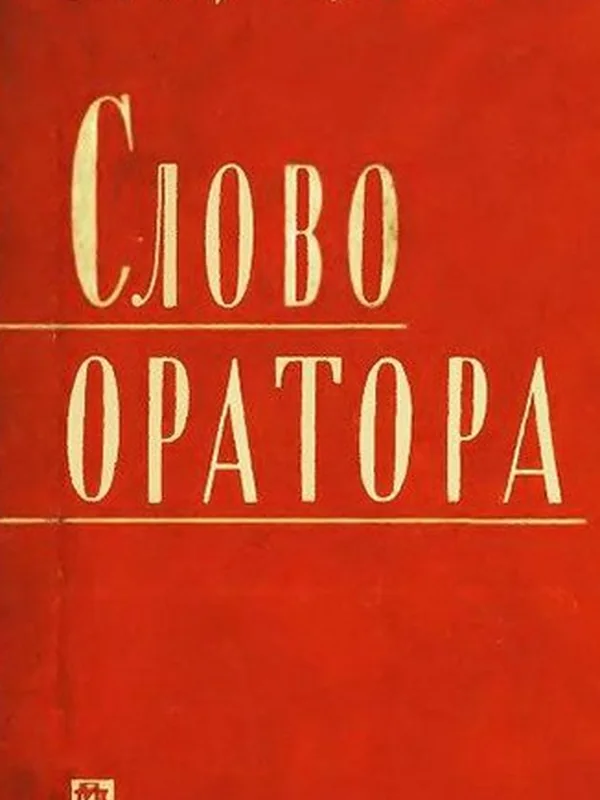
The Orator's Word

The Orator's Word

V. Hoffman · 1932

Issues of speech culture are currently on our agenda. However, language construction, despite its undeniable importance, remains a half-neglected area. Given the conditions of our socio-political life, public speech is of immense significance, yet the public speech education of the proletarian masses has not truly begun, either within schools or outside them.

Such education is possible only on the basis of scientific data, theoretically clear premises, and a firm methodological stance; otherwise, it will not only fail to be beneficial but will inevitably prove harmful. People will not be trained but will instead be corrupted. Do we have a science of public oratory that could offer any assistance to the mass worker agitator, lecturer, or public figure who must speak in public? We do not, although there is a considerable number of various 'manuals' on the subject.

These 'manuals' are echoes of rhetoric, a metaphysical and politically hostile theory of oratory. Not only our popular 'manuals' but the entire world literature on oratory is based on a rhetorical view of the orator and the orator's word. Therefore, it is necessary to pose the questions anew: what is oratory speech, what is the nature of the orator's word, and so on, in order to then create a practical guide for mass public speech education based on a scientifically reliable dialectical-materialist theory.

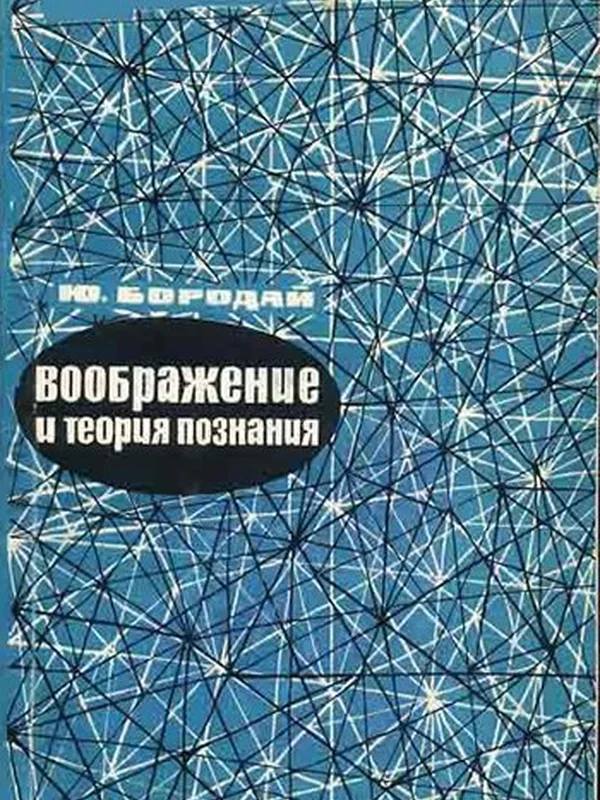
Imagination and the Theory of Knowledge

Imagination and the Theory of Knowledge

Yu. M. Boroday · 1966

Questions regarding the nature of imagination and intuition, and their role in the creative process, have never been the exclusive domain of epistemologists. They have always attracted significant interest from individuals whose work involves, in one way or another, the search for new paths or solutions in science, literature, and art.

The persistent speculations of modern irrationalists on the problems of productive imagination and the 'thing in itself,' as posed in the Critique of Pure Reason, compel Marxist philosophers to return to the classical primary source. This is necessary to restore the true picture of the matter and to link historical-philosophical analysis with the tasks of constructive criticism of contemporary bourgeois philosophy.

Letters of the Obscure Men

Letters of the Obscure Men

N. A. Kun, M. A. Lifshits (eds.) · 1935

Letters of the Obscure Men (Latin: Epistolae Obscurorum Virorum) is a book published anonymously in Germany in two parts (1515 and 1517), containing satire directed against scholasticism and the clergy. It became an important cultural event of its time. The book was written by a group of humanists (Ulrich von Hutten, Crotus Rubianus, Mutianus Rufus, and Hermann Busch) associated with the Erfurt circle. It parodied the correspondence of ignorant, intellectually and morally impoverished monks and theologians. The essence of the book was a polemical response to the writings of Johann Pfefferkorn and his associates, such as the Cologne Dominicans Ortuin Gratius, Arnold Tongsberg, and others, who were opponents of Reuchlin and humanism. These figures were depicted as 'obscure men' full of ambition and open malice toward free thought.

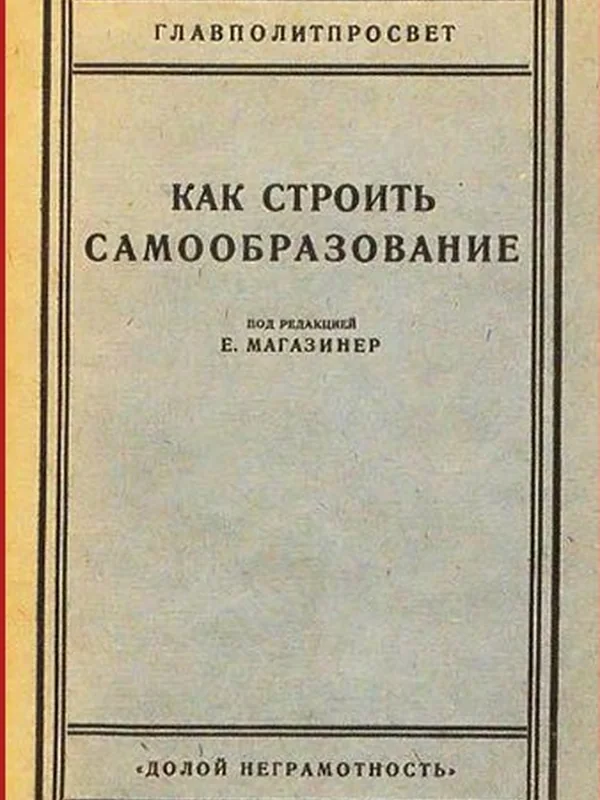
How to Conduct Self-Education

How to Conduct Self-Education

E. Magaziner (ed.) · 1927

Materials from the first courses on the retraining of provincial workers in self-education, June 1, 1926 – June 1, 1927.

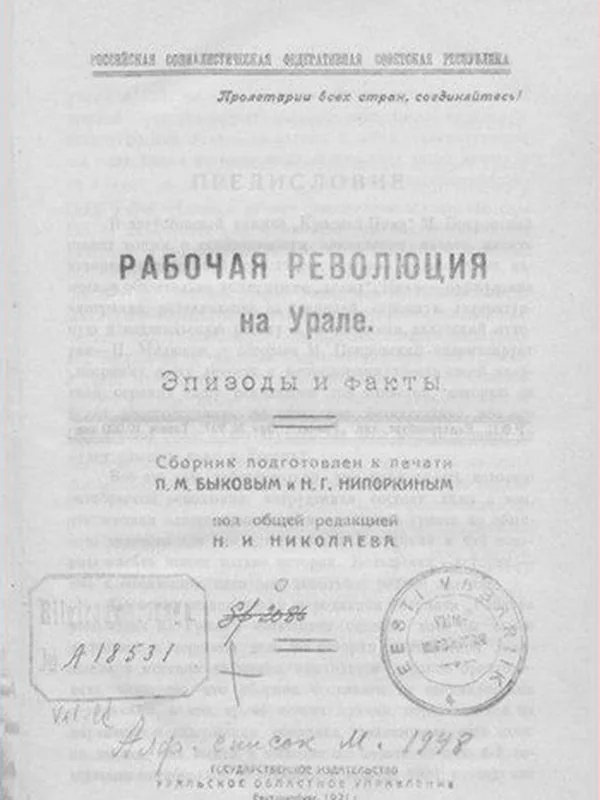
The Workers' Revolution in the Urals: Episodes and Facts

The Workers' Revolution in the Urals: Episodes and Facts

Edited by P. M. Bykov, N. G. Niporkin · 1921

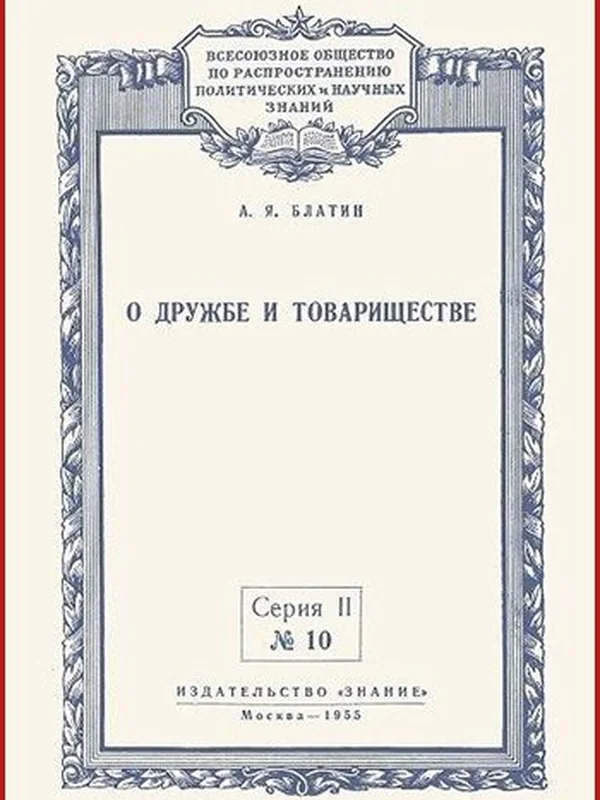
On Friendship and Comradeship

On Friendship and Comradeship

A. Ya. Blatin · 1955

The Communist Party has always attached great importance to cultivating a sense of collectivism and comradeship among Soviet people. After the victory of the socialist revolution, V. I. Lenin stated: 'We will work to eradicate the cursed rule: "every man for himself, and God for all"... We will work to instill the rule "all for one and one for all" into the consciousness, habits, and daily routine of the masses...'

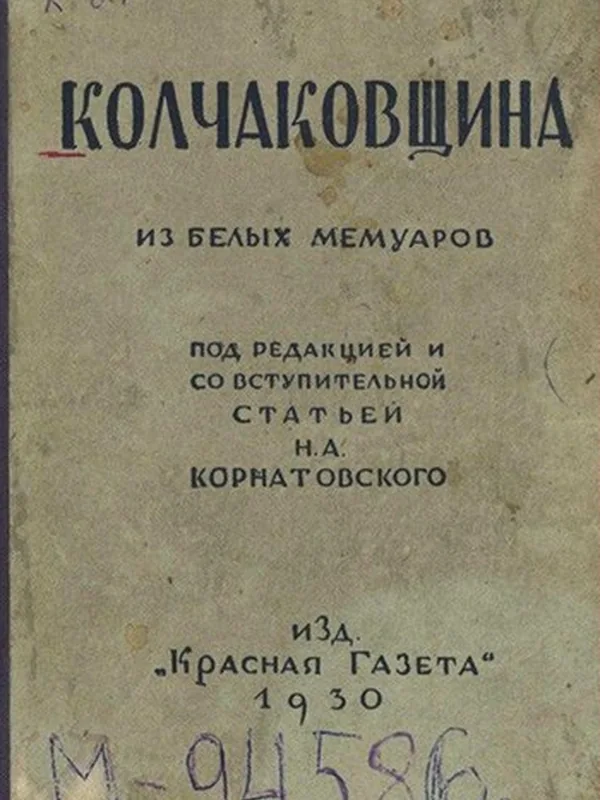
The Kolchak Regime: From White Memoirs

The Kolchak Regime: From White Memoirs

Edited by N. A. Kornatovsky · 1930

During the Civil War, the Eastern Front of the USSR was one of the main fronts of the republic. There was a period when the struggle against the eastern counter-revolution attracted the exceptional attention of the Soviet state. Only by the maximum strain of all the country's forces was it possible to break the armed power of the enemy.

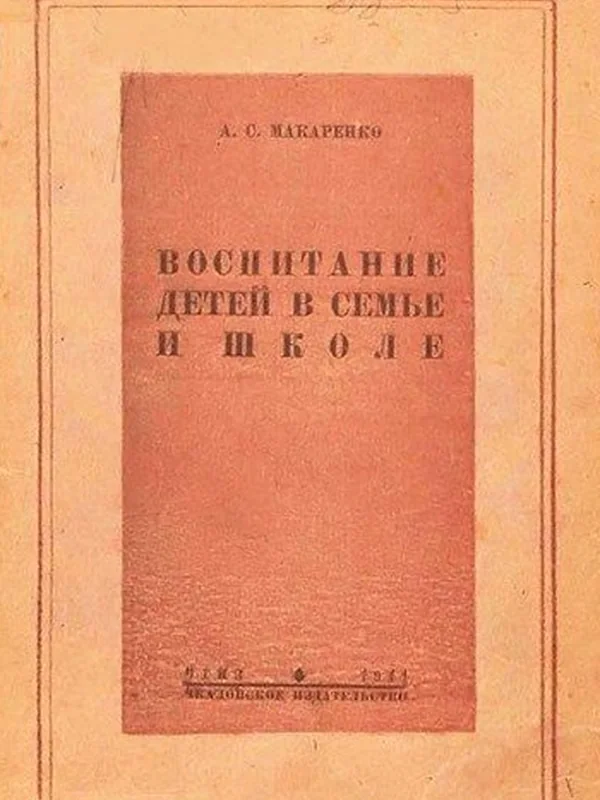
The Education of Children in the Family and School

The Education of Children in the Family and School

A. S. Makarenko · 1941

The education of children is a vital area of our lives. Our children are the future citizens of our country and of the world. They will shape history. They will become future fathers and mothers, and they, too, will raise their own children. Our children must grow into fine citizens and good parents. But that is not all: our children are our old age. Proper education is our happy old age; poor education is our future sorrow, our tears, and our guilt before other people and before the entire country.

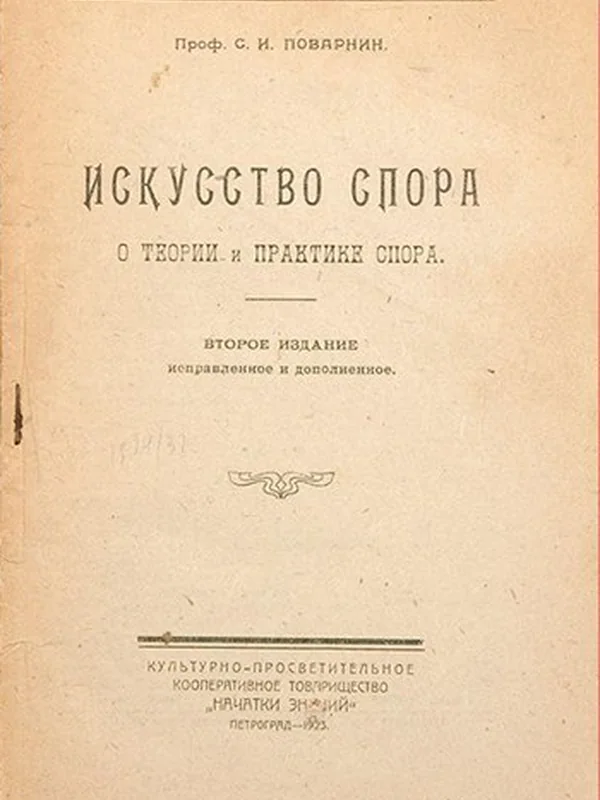
The Art of Dispute

The Art of Dispute

Sergey Povarnin · 1923

"The Art of Dispute" is a classic text on the theory and technique of argumentation, written by Sergey Innokentyevich Povarnin, a Russian scholar and specialist in logic and rhetoric. This practical guide to the art of discussion is written in clear, expressive language and includes numerous vivid examples. It helps readers develop the skills to master the techniques of debate in various social situations. The book teaches how to read between the lines of newspapers and television news, identify the tricks of opponents, and properly present arguments and evidence.

Logical Errors: How They Impede Correct Thinking

Logical Errors: How They Impede Correct Thinking

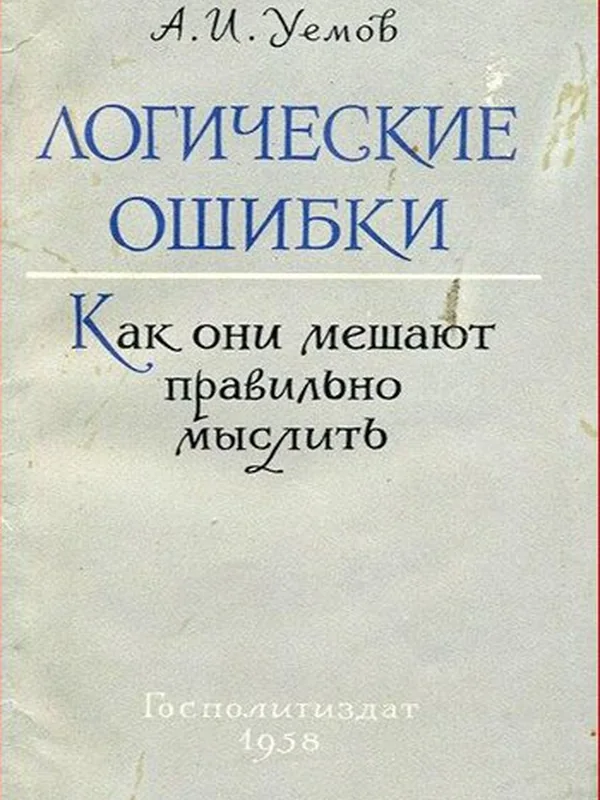
Avenir Uemov · 1958

The book examines the nature and harm of logical errors, the causes of their occurrence, and the role of practice and various sciences in eliminating them. It describes how logic helps in the struggle against logical errors, including the logical forms of thought and methods for avoiding errors in thoughts of different forms.

The Problem of the Unconscious

The Problem of the Unconscious

F. V. Bassin · 1968

This book emerged as an attempt to summarize the results of a series of theoretical and experimental studies. It is also the outcome of long and at times very heated debates.

Circumstances required the author to participate for several years in discussions concerning various aspects of the theory of the 'unconscious.' These debates contrasted psychoanalytic, psychosomatic, and phenomenalist approaches to the theory on one side with the dialectical-materialist understanding of the problem of unconscious forms of the psyche and higher nervous activity on the other.

Antonio Gramsci: Politician and Philosopher

Antonio Gramsci: Politician and Philosopher

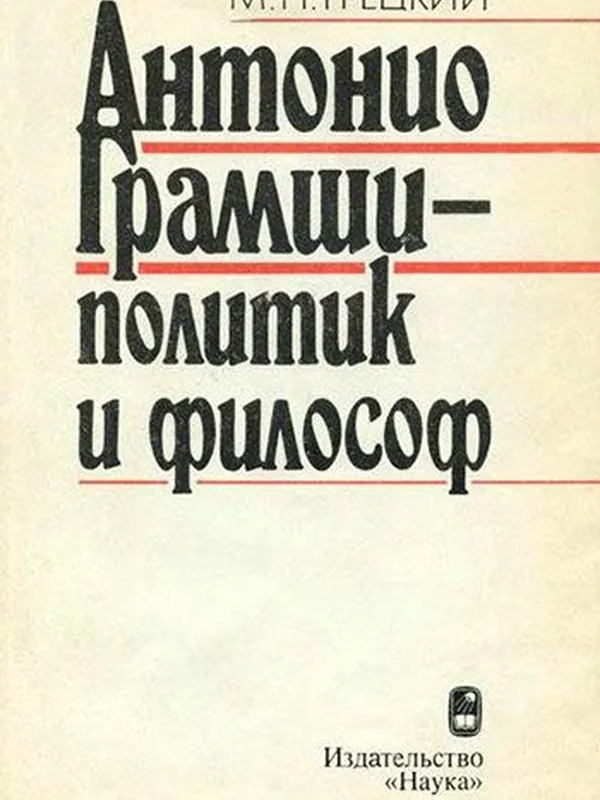
M. N. Gretsky · 1991

This monograph is dedicated to the political and philosophical views of one of the most influential theorists of Marxism, whose 100th birthday was marked in 1991. It describes Gramsci's life and activities, as well as the formation and development of his views. Special attention is given to Gramsci's main work, the Prison Notebooks, and the issues of philosophy, ideology, and culture addressed within them. The text highlights Gramsci's original contribution to the development of Marxist theory, including the concepts of hegemony, the historical bloc, and civil society, and discusses his relevance to the present day.

The Life of a Russian Worker: Memoirs

The Life of a Russian Worker: Memoirs

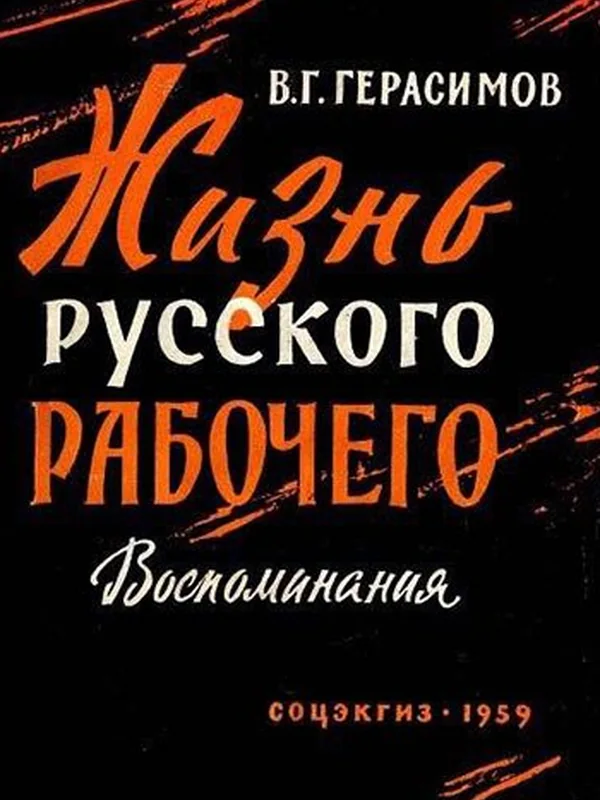
V. G. Gerasimov · 1959

Autobiographical memoirs by Vasily Gerasimovich Gerasimov (1852–1892), a worker-revolutionary known for his active participation in the 1872 strike at the Krenholm Paper Mill in Narva. Gerasimov’s memoirs are considered among the first in Russian literature to be written by a worker-revolutionary. The text was recorded during his exile, where he died at the age of forty. This edition is based on the 1919 publication, 'The Life of a Russian Worker Half a Century Ago: Notes by the Socialist Worker Vasily Gerasimov.'

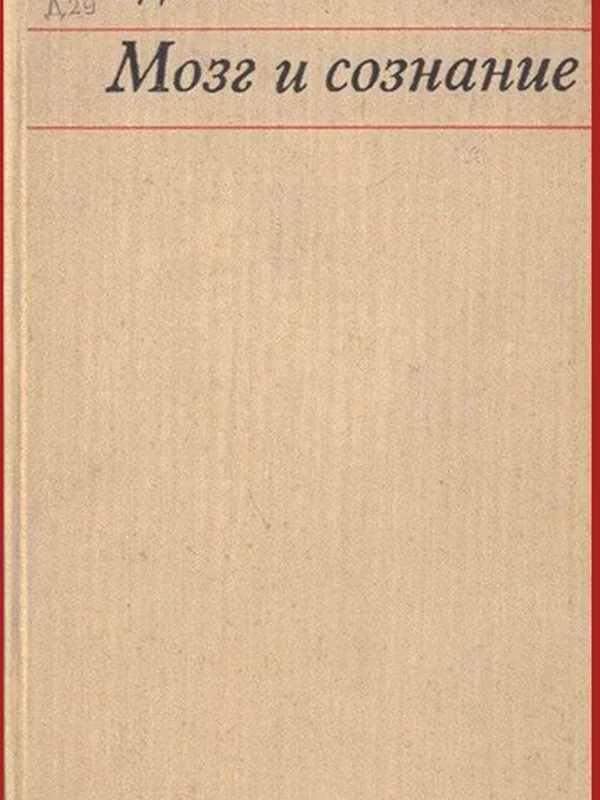
Physical Control of the Mind (Russian edition: Brain and Consciousness)

Physical Control of the Mind (Russian edition: Brain and Consciousness)

José Delgado · 1969

The book examines a wide range of issues related to brain function and behavior in an accessible manner, including the evolutionary origin of consciousness, the role of emotional factors in behavior, and various physical methods of influencing mental activity.

The author pays particular attention to the problem of resolving the dissonance between the relatively conservative emotional sphere and the sharply increasing demands placed on the higher manifestations of human intelligence.

The Rebel Sell: How the Counterculture Became Consumer Culture

The Rebel Sell: How the Counterculture Became Consumer Culture

Joseph Heath, Andrew Potter · 2007

This book serves as an encyclopedia of modern counterculture. It examines the various forms of 'rebellion against the system' and reveals their petty-bourgeois foundations. The text traces the history of this protest, including Freudian Marxism and the Frankfurt School, explaining how these elements transformed a powerful left-wing movement into a helpless and meaningless subcultural mass. It clarifies how such 'protest' within the capitalist system simply opens new market niches, laying the groundwork for the modern consumer society. The book is recommended for all participants in left-wing movements. Without understanding where we are being deceived, we will never be able to build the future.