
Knowledge for everyone
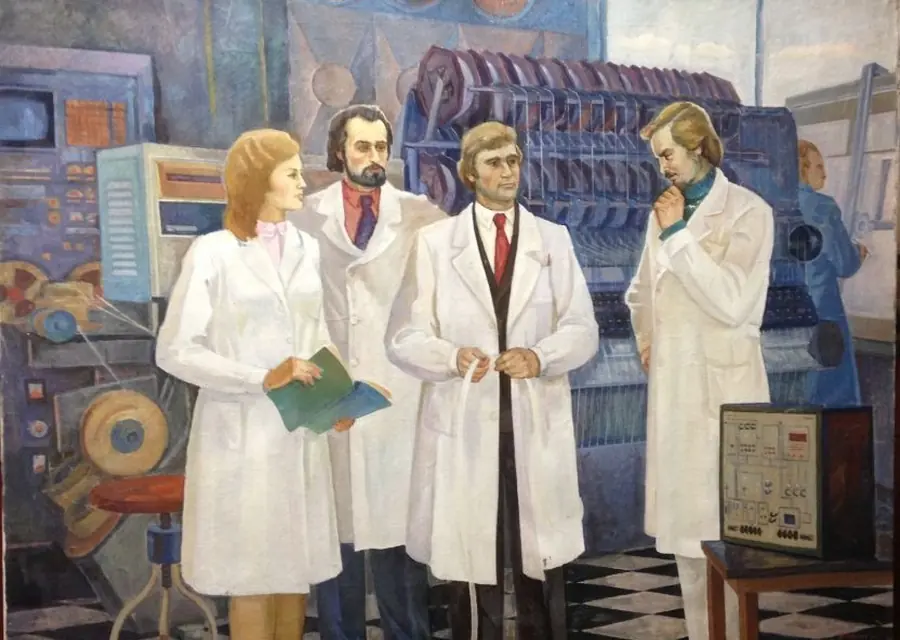
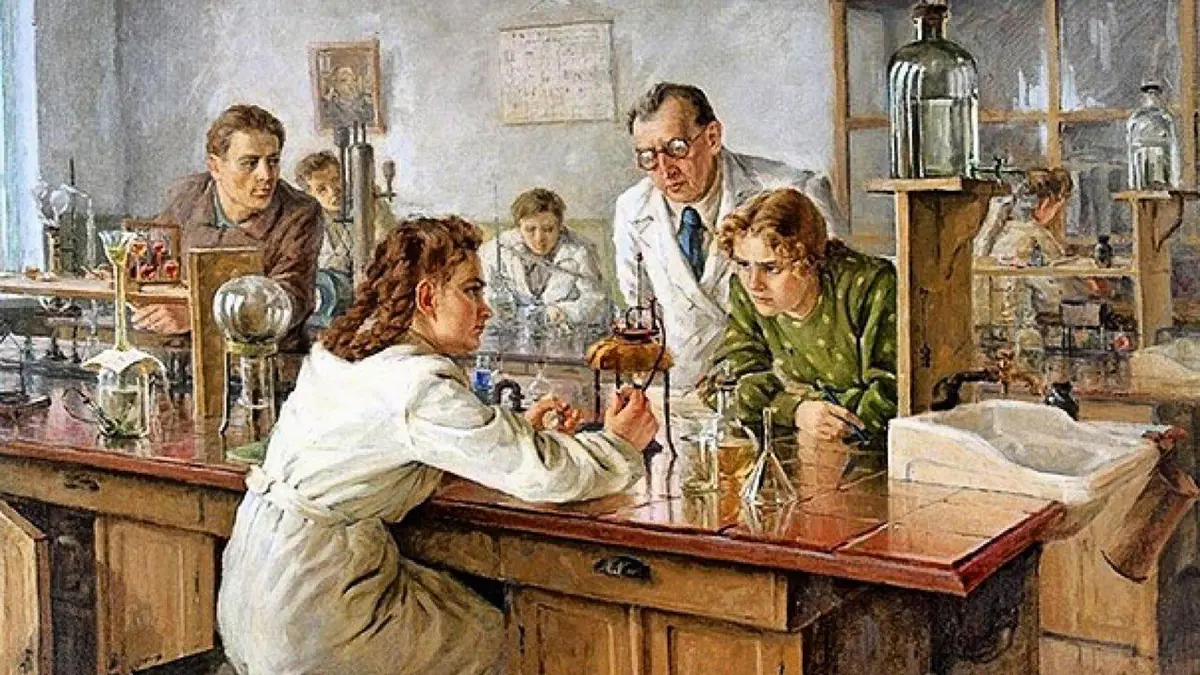
Science and education open to all. Machines take over routine work so people have time to learn, research and create.
A. A. Gorbenko, “Soviet Cyberneticians”, 1984

Technocommunism · Scientific Future
Science, conscious automation, and AI can already free humanity from routine today. We show how socialism and communism can be organized on modern technology — for everyone's development, not the profit of a few.
Interactive Model · From Ideology to Practice
Everything starts from society's root directive — Ideology. Click any node to see how today's technologies work now and how they transform under socialism and technocommunism.
Modern technology can already feed, heal, and educate everyone, yet it remains subordinated to private profit, artificial scarcity, and market waste.
Shifting society's objective function: science, automation, and AI are redirected from profit extraction to human welfare and collective development.
Scientific worldview, collectivism, and creation become the natural norm. Technology operates as a unified tool of all humanity.
Technocommunism is neither nostalgia nor a paper utopia. It is an engineering task: how to make every life freer with the tools we already have.
Science and education open to all. Machines take over routine work so people have time to learn, research and create.
A. A. Gorbenko, “Soviet Cyberneticians”, 1984
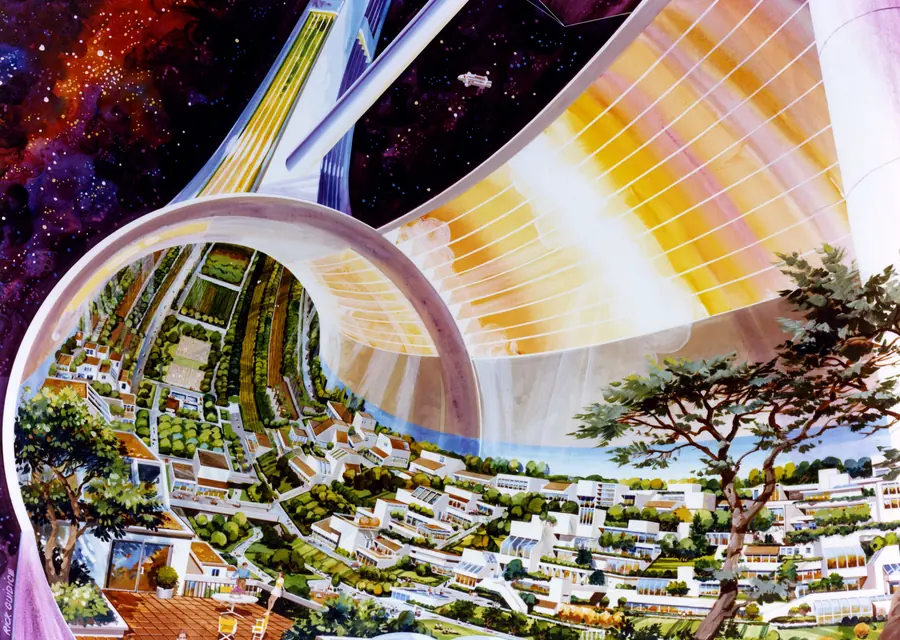
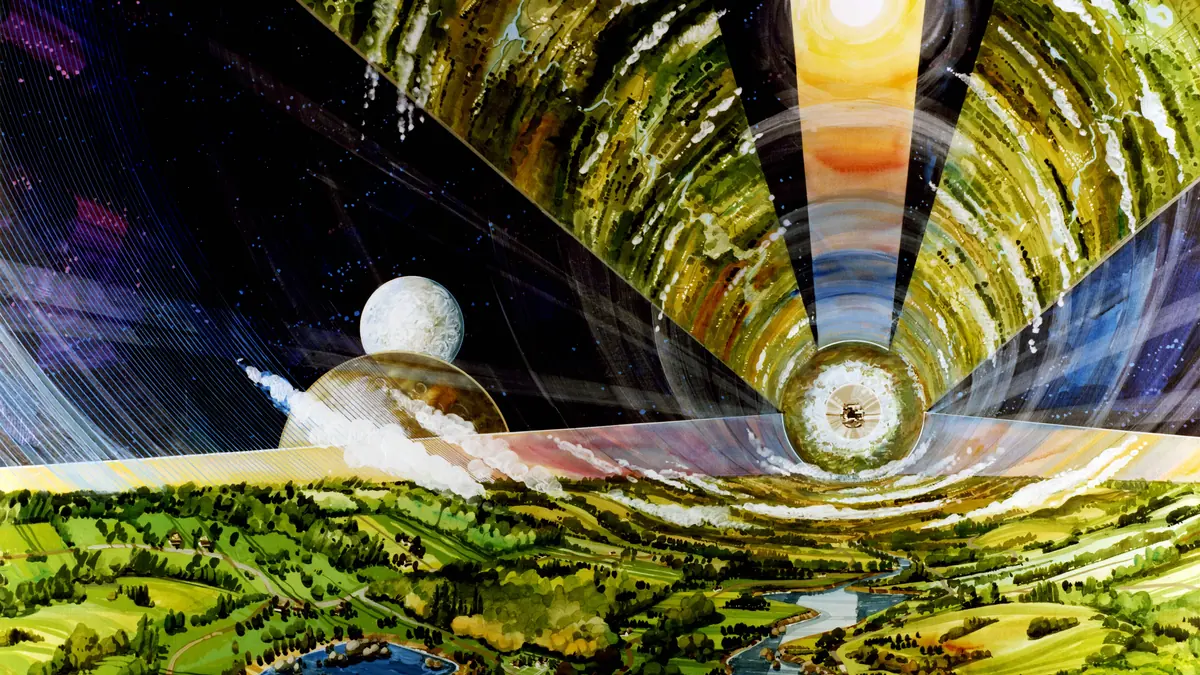
Cities planned together: housing, transport and public space designed for living, not for a developer's margin.
R. Guidice, NASA, “Stanford torus cutaway”, 1970s
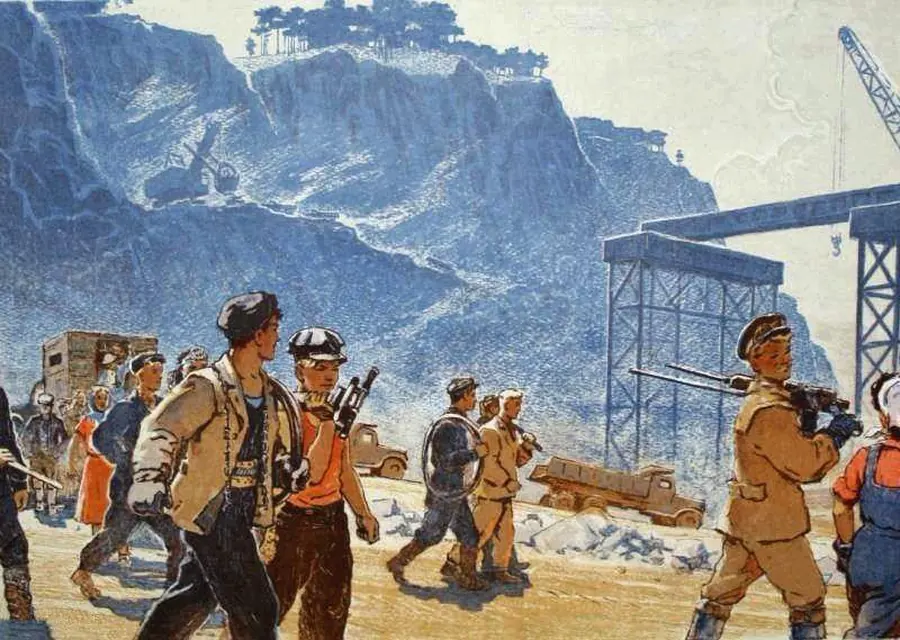
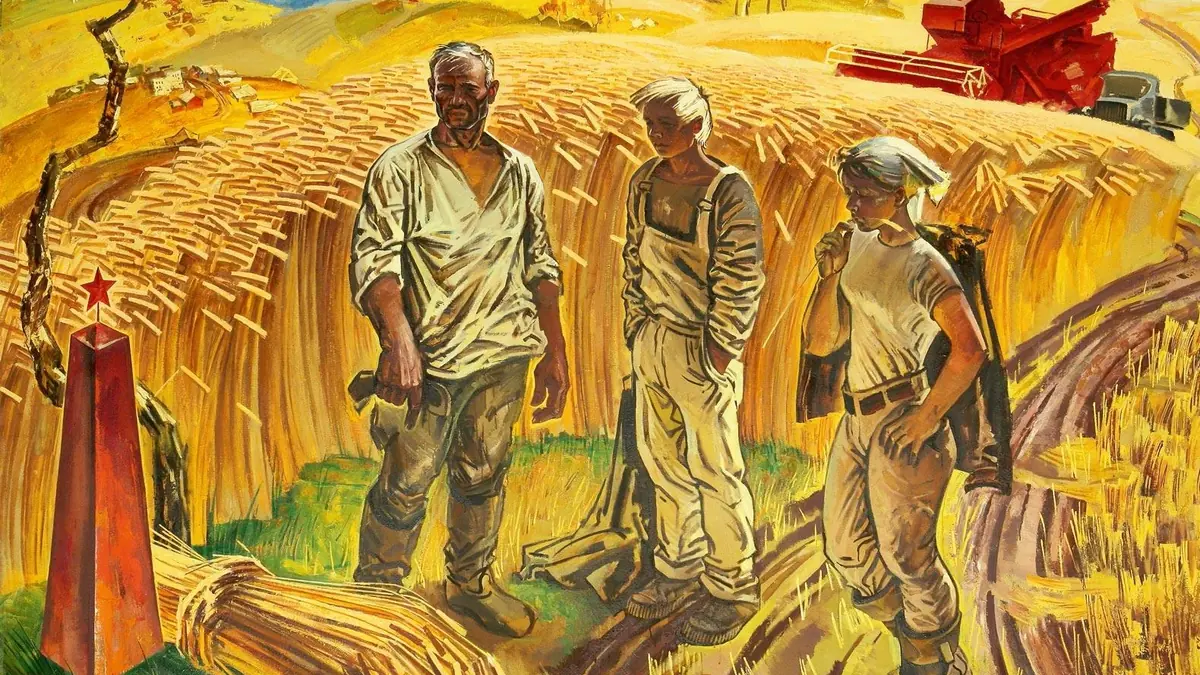
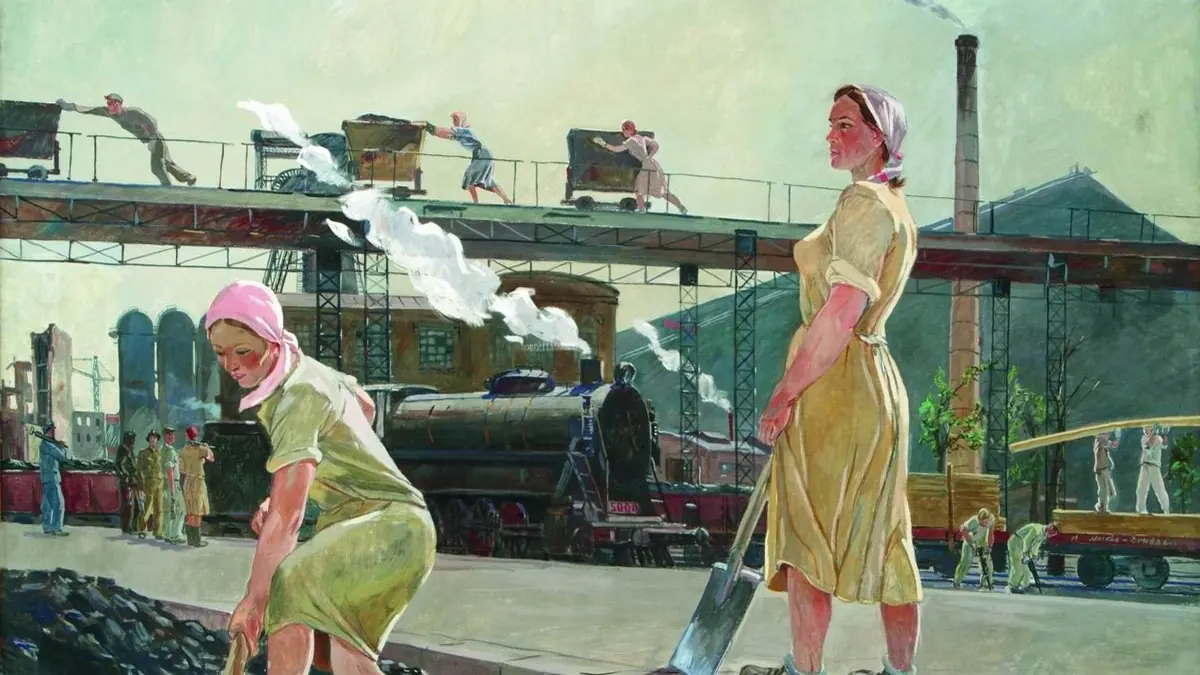
Automation under human control. Higher productivity turns into free time for everyone, not into unemployment.
I. Vorobyeva, “Morning at Bratsk Hydroelectric Power Station”, 1959
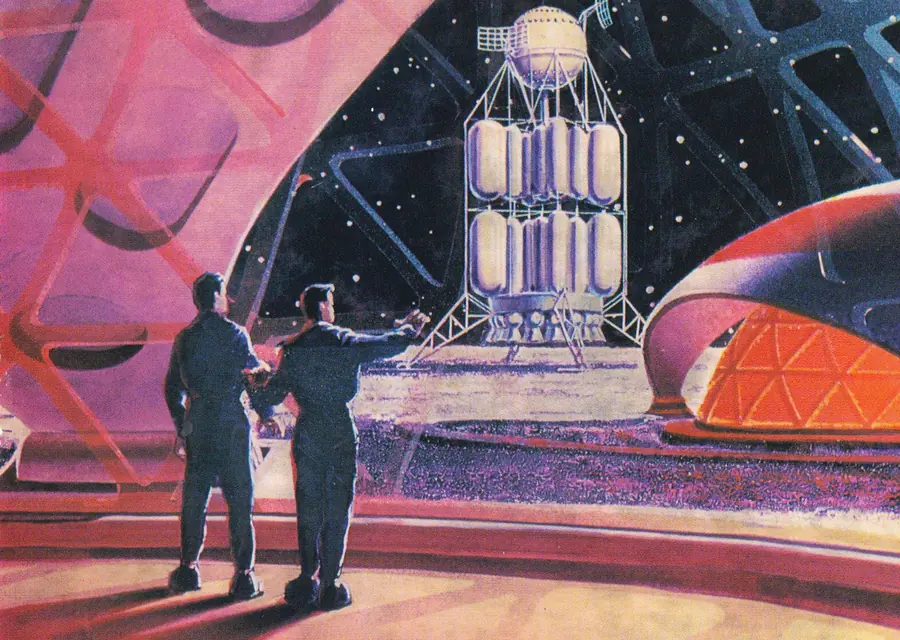
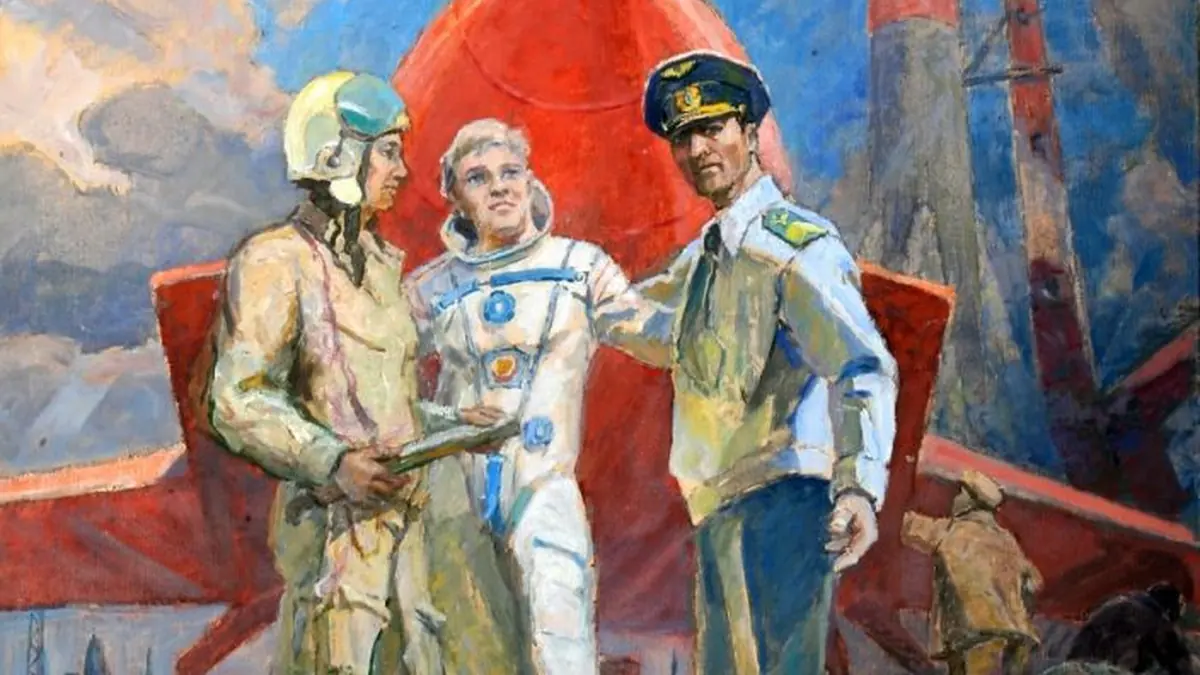
Humanity as one species exploring the Solar System. Reason and shared work instead of a war for markets.
A. Leonov, A. Sokolov, “Inside the Lunar Cosmodrome”, 1973
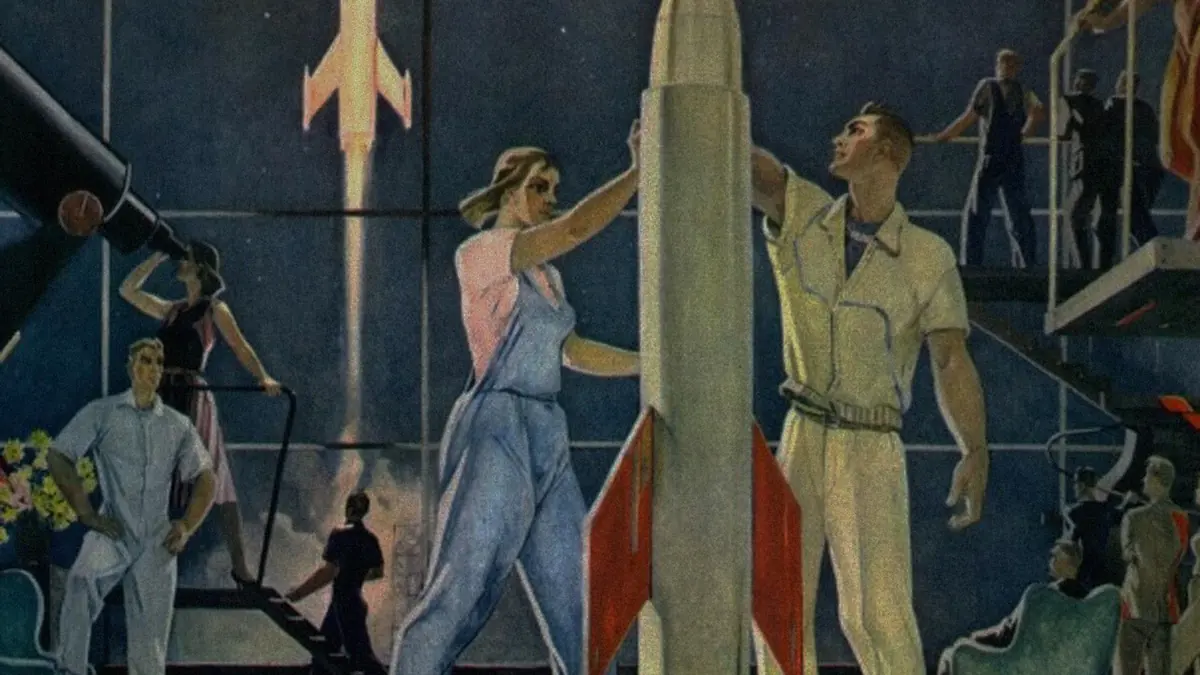 Principles of Technocommunist Ideology
A manifesto outlining the 12 core principles of technocommunism, from materialism and automation to collectivism and looking toward the future.
 The Second Law of Thermodynamics and Pseudoscience
How pseudoscientific myths disguise themselves as scientific facts, using the misuse of thermodynamics against evolution as an example.
 The Rebelling Consumer. Economics and Psychology (Part 1)
An analysis of consumer society's economic mechanisms and psychological traits engineered to drive excess consumption for profit.
 The Rebelling Consumer. In the Grip of Illusions (Part 3)
How countercultural concepts (hedonism, postmodernism) undermine class solidarity and the revolutionary potential of modern protest.
 Human History Is the Evolution of Freedom
Examining social history as the evolution of human freedom through the struggle of oppressed classes against slavery and feudal hierarchy.
 Myths of the Modern Left (Part 1). Consumption as an End in Itself
Deconstructing the philosophical error of equating materialism with consumerism, drawing on Engels's works.